Every fabricator knows the headline figure: sheet steel is the largest line item in the cost of a cabinet, a locker or a cookware body. Fewer know where the loss actually happens, which is why so many scrap-reduction projects start with a new shear and end with the same material bill.
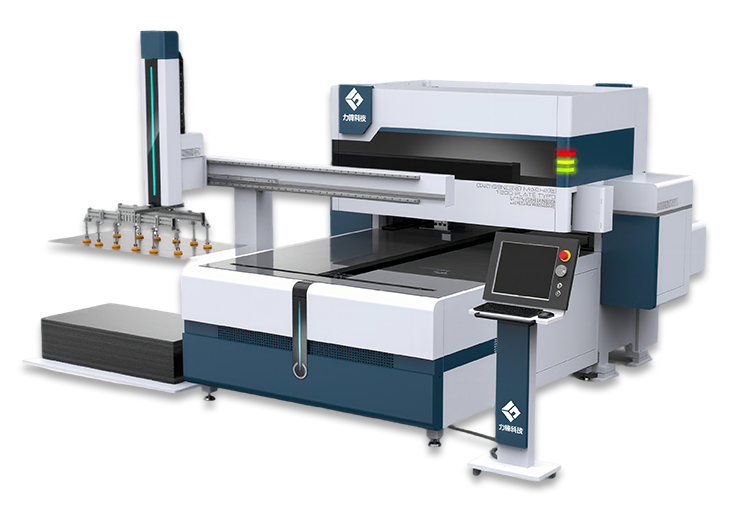
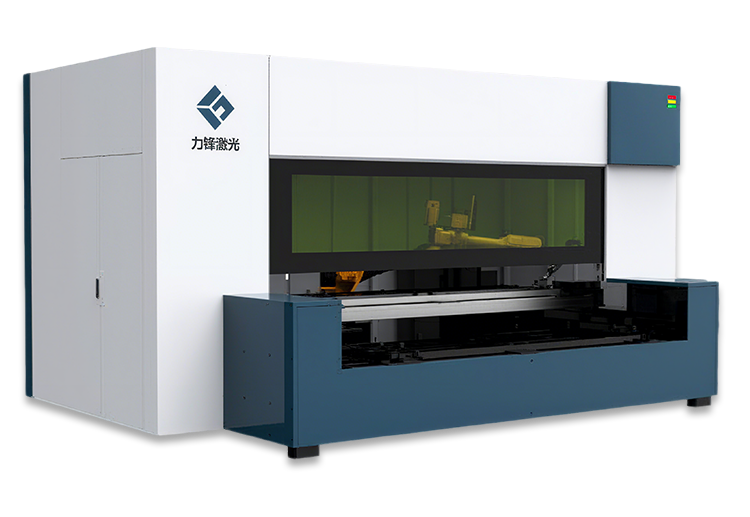
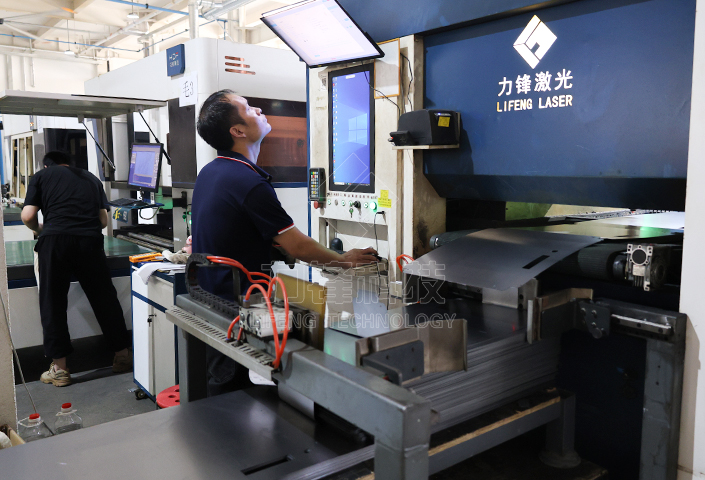
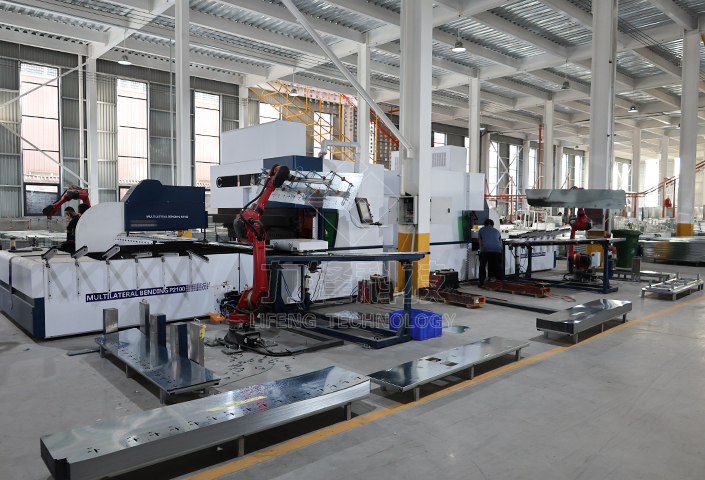
The losses sit in four places, and they need four different fixes. A servo-controlled line addresses three of them directly, which is the argument behind the automated setup in the clip above: one system running electrical cabinets, file cabinets and cookware from the same control logic.
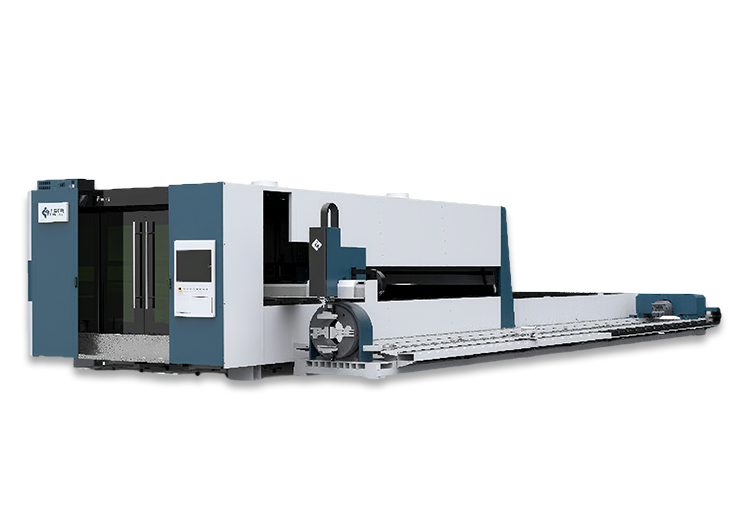
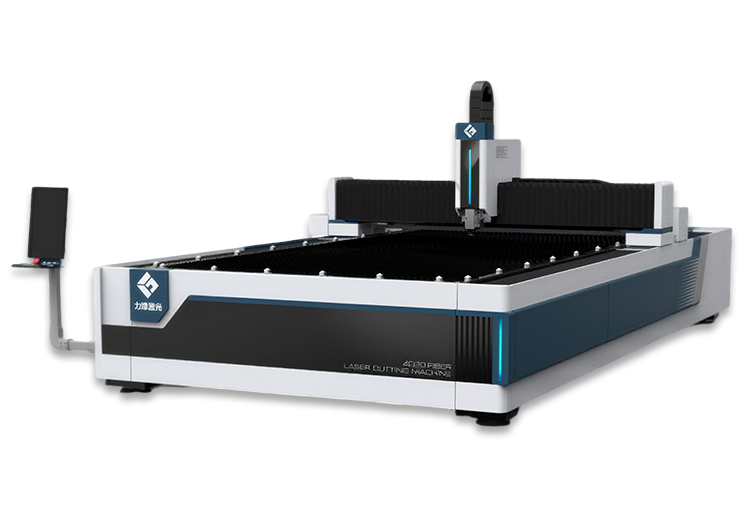
The biggest single lever, and the cheapest to fix. A blank layout drawn by hand for a single part number typically leaves 15 to 25 percent of the sheet on the floor. Smart nesting software that mixes part numbers across one sheet, respects grain direction where it matters and rotates parts to fit cutouts can recover most of that on the same machine. In our lines nesting is part of the control package rather than a separate CAM purchase, because the two have to agree on kerf, clamp positions and cut sequence.
Coil thickness varies. A 1.0 mm nominal sheet might arrive at 0.94 mm on one edge, and the bend that was correct in the trial comes out two degrees open. Operators compensate by adding a trial bend, and every trial bend is a wasted part. Servo CNC with automatic size calibration reads the actual blank and corrects the forming parameters per part, so the first piece is production rather than experiment.
A cabinet that leaves the paint line with a visible seam or a warp is scrap with extra cost attached, because labour and powder have already been spent on it. Standardized processing, meaning the same clamping pressure, the same weld sequence and the same locating points every cycle, is what makes a low rework rate possible. Consistency is a cost number, not a quality slogan.
Dents from clamp fingers, scratches from dragging a panel across a die, bent corners from stacking too high. Robots that place rather than drop, and vacuum or magnetic grippers sized for the gauge, remove most of this. It is also the source most often missed in a scrap analysis, because those parts get counted as damaged rather than scrapped.
Ask a supplier for a material utilization figure with the basis attached: which part family, which sheet size, whether trim allowance is included. A line claiming 90 percent without stating the basis is quoting a brochure. A defensible answer looks like 82 percent on a mixed nest of four cabinet sizes in 1250 by 2500 sheet, kerf included, and you can check it against your own part list.
Scrap reduction and labour reduction compound. A line that needs one operator instead of four, and that wastes five percent less steel, improves unit cost twice over. That is the arithmetic behind these systems in cabinet and appliance plants, where margins per unit are thin and volume is high. It is also why the business case usually survives a conservative estimate, but not a fabricated one.
If you want a realistic number for your own parts, send the drawing set plus your monthly tonnage. We will run the nest and tell you the utilization you can expect, including the cases where a manual cell is still the cheaper answer.
Customized Production Line Design, Full-Lifecycle Service Guarantee From Solution to Implementation, Empowering Enterprises to Reduce Costs, Boost Efficiency, and Achieve Zero Risks!
Thank you for your interest in Lifeng Technology. If you would like to know more
about our sheet metal
process and equipment,
contact us to find out what we can do for your next project!

 lydia@lftk.cn