When Henan Lifeng Technology started in 2015, the equipment enquiry we got most often was for a single machine: a brake, a laser, a press. Customers compared prices per ton and asked for delivery in sixty days. Ten years later the same customers send a factory layout, a part list and a target output per shift, and ask what it will take to get there.
That shift, from buying machines to buying output, is the story of the last decade in this industry. We grew from a team of a few dozen to more than 200 people, with about a quarter of them in engineering and R&D, and the work changed with the questions.
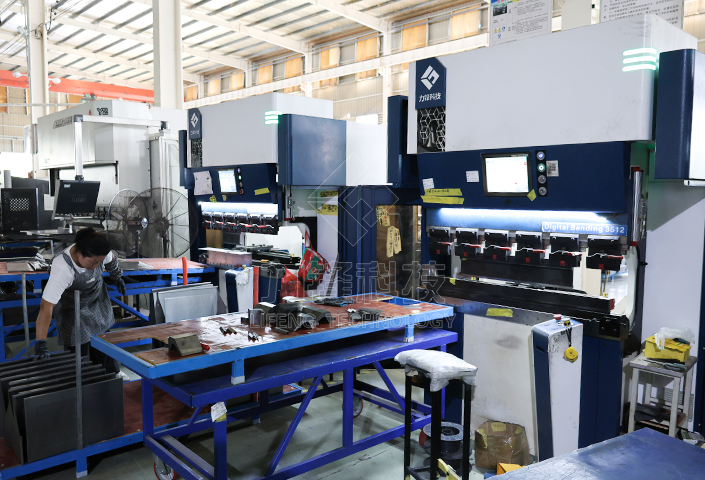
The first years were about building a machine that would survive three shifts. Frame rigidity, ram guidance, control tuning, hydraulic reliability — unglamorous engineering that decides whether a brake still holds an angle after 20,000 hours. Most of our early automation was mechanical: a loading table, a sheet follower, a conveyor on the back of a laser.
What we learned then still shapes how we design. A machine that is hard to service will be a bad machine no matter how good its spec sheet looks. Every panel that has to come off to reach a valve is a reason for a maintenance team to postpone the job.
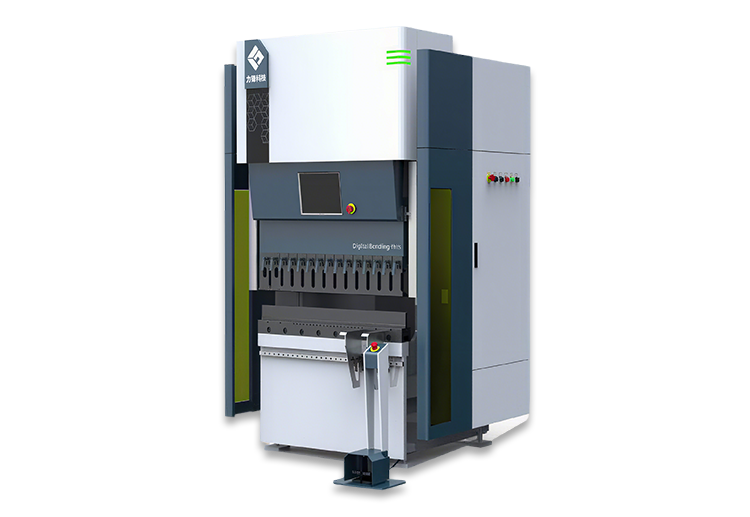
Around 2019, customers started asking us to quote lines rather than machines. The first projects were bending cells: a robot, a brake, a stack of blanks and a pallet. They were difficult, and not for the reason most people expected. The robot was rarely the problem. The problem was the interface — how the part was located, how the controller knew a bend had finished, what happened when a blank was missing from the stack.
Those years taught us to design automation into the machine instead of bolting it on. Locating pins, part-present sensing and a clean signal handshake now sit on the base drawing of our bending centers, so a robot can be added later without rebuilding the load station.
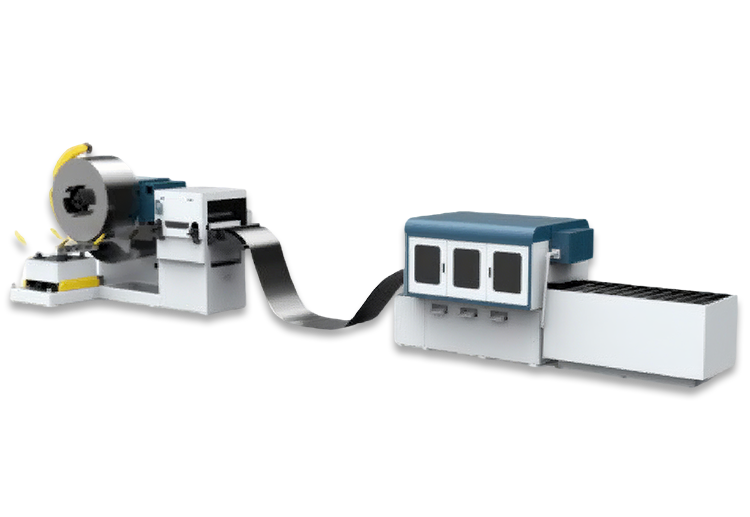
The current work is different in scale. A furniture plant wants a door panel line that runs from blank to palletized stack. A cabinet maker wants laser cutting, bending, welding and stacking in one flow, with one operator watching a screen. The machines are only half of it; the other half is the sequence, the buffers, the conveying between stations and the data that tells you where a part is.
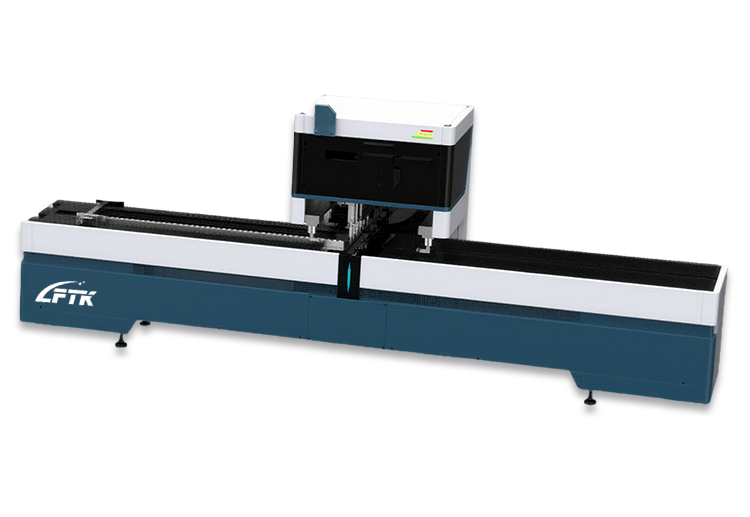
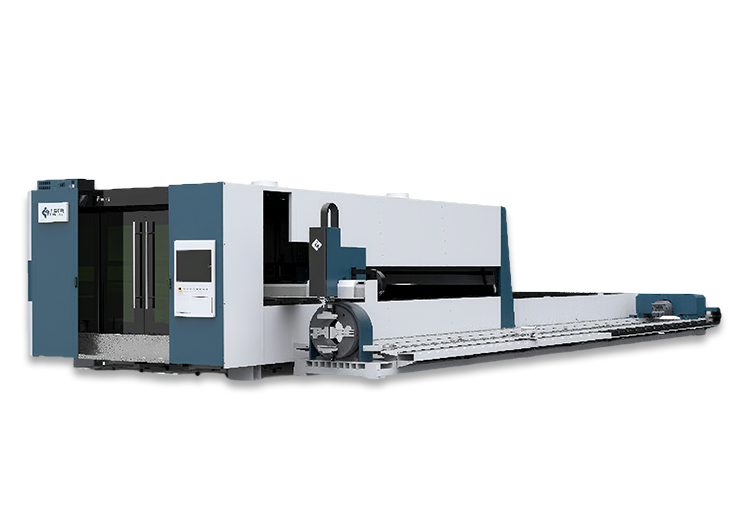
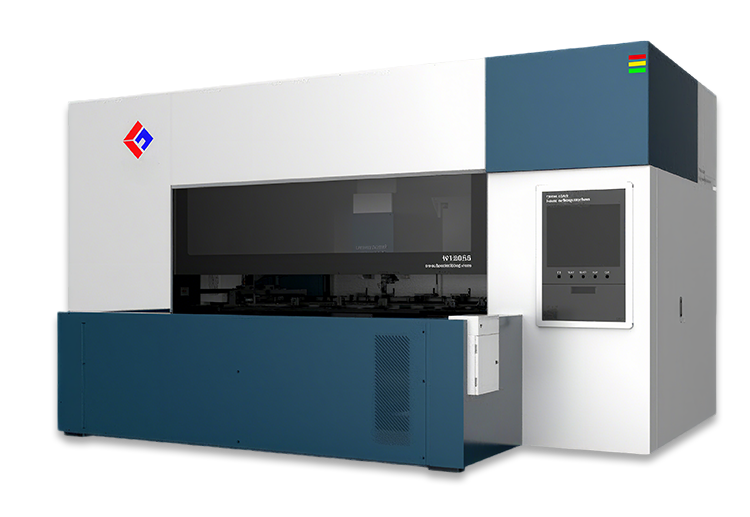
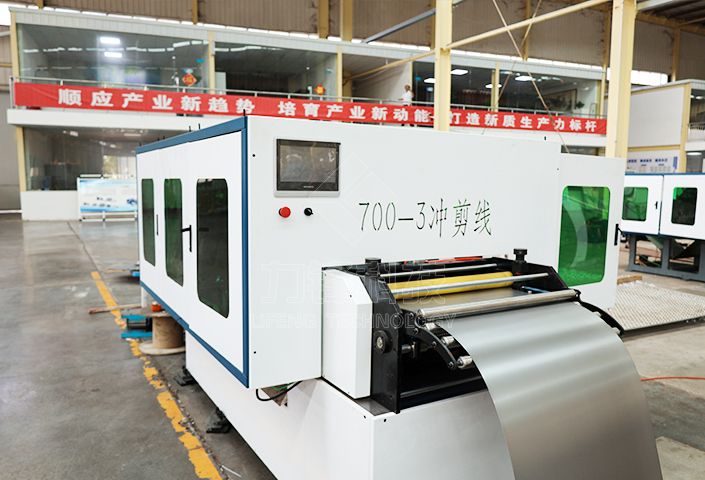
This is also where a manufacturer's own product range starts to matter. Because we build laser cutting centers, bending centers, laser welding centers, stamping centers and flap turning centers rather than one category, a line can be assembled from machines designed to sit next to each other. The inclined roller conveyor that registers a panel before palletizing exists because we had already solved the same registration problem on another line.
Two things. First, the part decides the process. No amount of automation rescues a bad blank or a part designed with a flange that cannot be formed. Second, service is still the product. A line that runs for eight years will need spares, training and upgrades, and a supplier who answers in a week is worth more than one who answers in a month at a lower price.
The next few years will be about flexibility rather than speed. Batch sizes keep falling, and the lines being planned now have to switch part numbers in minutes rather than shifts. That means more offline programming, more automatic tooling change, and cells that can run a night shift without a technician standing by. Ten years in, that is the problem worth solving.
If you are planning a line for 2026 or 2027 and want a second opinion on the layout before you commit to machines, our engineering team will review your part list and tell you honestly what should be automated and what should stay manual.
Customized Production Line Design, Full-Lifecycle Service Guarantee From Solution to Implementation, Empowering Enterprises to Reduce Costs, Boost Efficiency, and Achieve Zero Risks!
Thank you for your interest in Lifeng Technology. If you would like to know more
about our sheet metal
process and equipment,
contact us to find out what we can do for your next project!

 lydia@lftk.cn