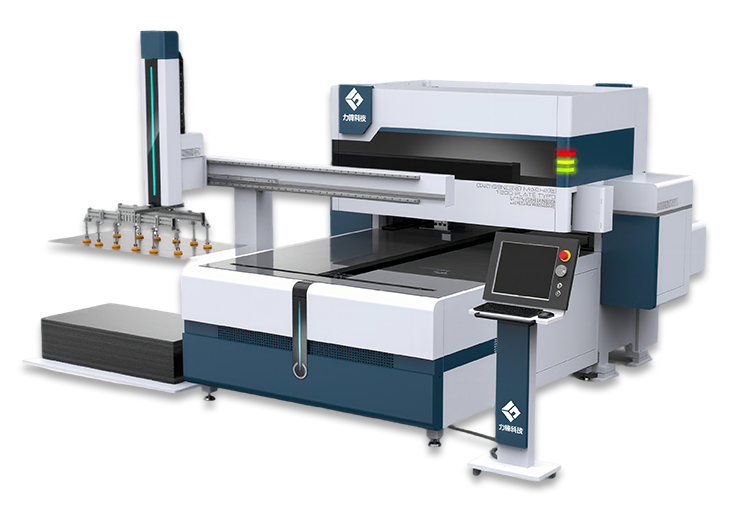
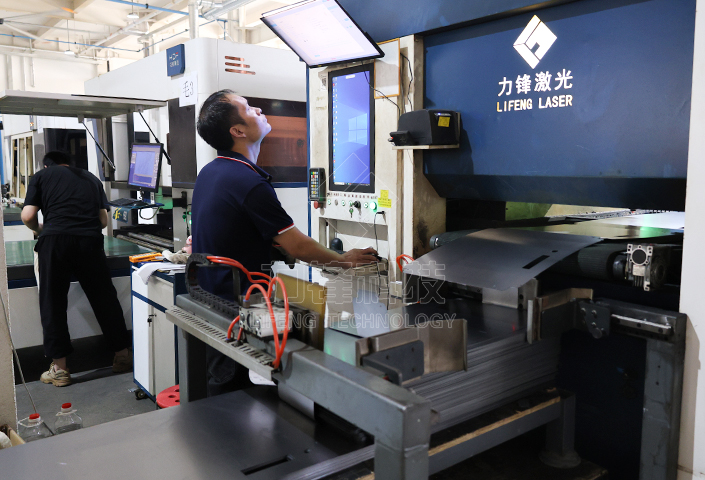
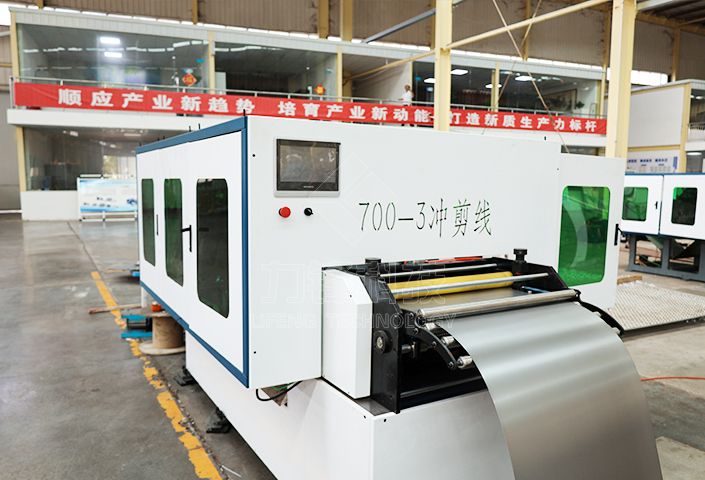
Steel lockers, filing cabinets and office cupboards look simple from the outside. Behind them sits a production problem that sheet metal shops in other industries rarely face at the same scale: thousands of nearly identical panels, in gauges between 0.5 and 1.0 mm, that all have to come out flat, square and free of handling marks.
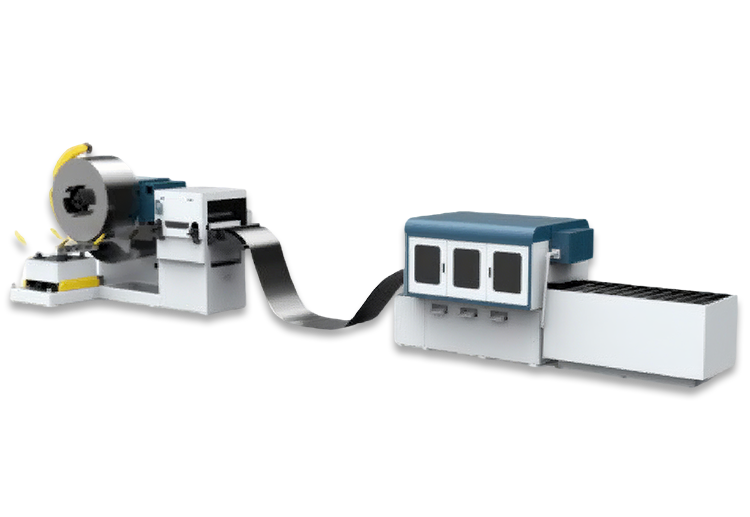
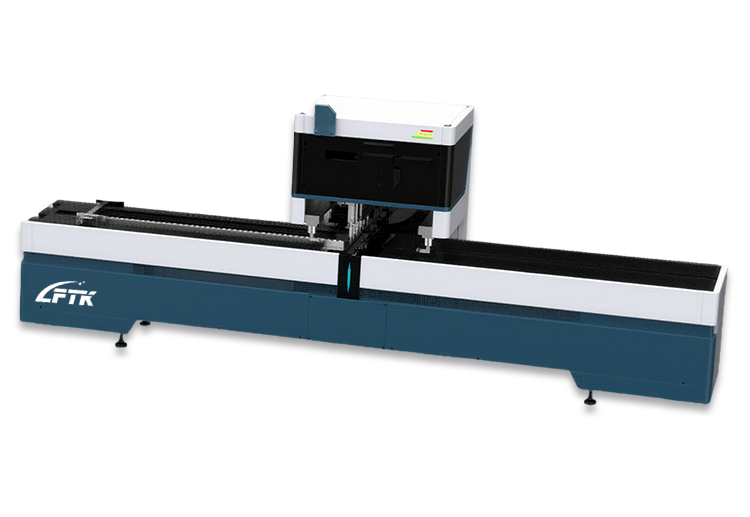
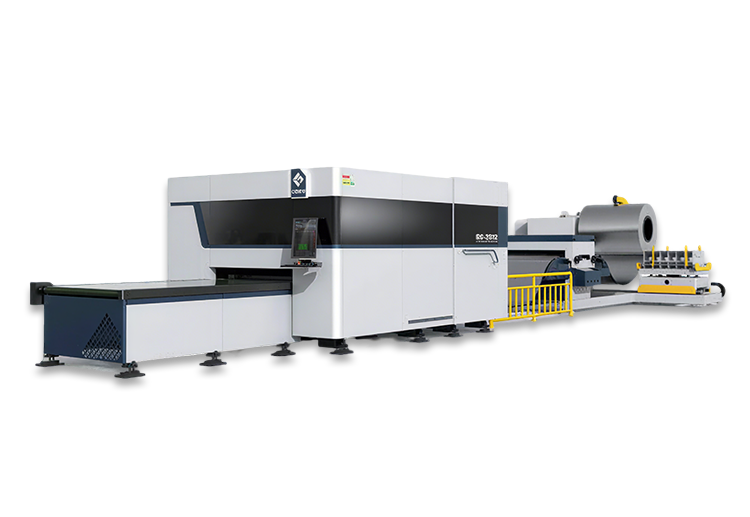
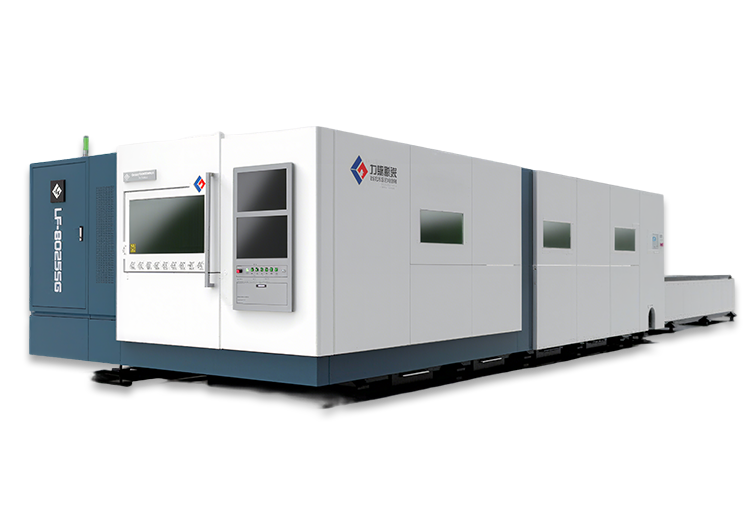
That combination — high volume, thin material, cosmetic surface — is exactly what automation handles well, and it is what the new workshop built by Luoyang Hefeng Office Furniture together with Henan Lifeng Technology is designed around. The line runs from blank to stacked panel without an operator carrying anything.
A cabinet door is a folded box with a flange on four sides. Bend counts are consistent, blank sizes repeat, and the material is thin enough for a vacuum gripper to lift reliably. In a manual shop that means a bender working through a stack, turning each part four times, then passing it to a welder who spots the corners. In an automated line, the same sequence is split between stations that never wait on each other.
Three things tend to shift when a furniture manufacturer moves from islands to a line like this.
Flatness. Thin doors warp from heat, from clamp pressure, and from being stacked wrong. Spreading forming and joining across machines with proper clamping, and stacking with a robot that places rather than drops, removes most of that variation at the source.
WIP. In the manual version, pallets of half-finished doors pile up between the brake and the welder. On a line, the buffer is a few parts long, which shortens the time between a cutting order and a paintable panel — usually the number that decides whether a custom colour order is profitable.
Staffing. One operator supervises the line and handles exceptions. The people who used to stand at the brake move to setup, quality checks and finishing, which is where a furniture factory actually adds value.
These projects live or die on details decided before the first machine is ordered. Fix the pallet size and the maximum panel size early — every robot reach, conveyor width and stack height follows from it. Decide whether the line runs one SKU for a shift or mixes models, because that determines whether you need automatic tooling changeover. And check the floor: a line of this length needs a level slab, and a door panel line that is 5 mm out of level over ten metres will register parts badly at the far end.
Steel office furniture is one of the last high-volume sheet metal categories to automate, mostly because the parts looked too simple to justify it. Hefeng's workshop shows the opposite: simple parts, repeated thousands of times, are where a line earns its keep fastest. The same logic applies to shelving, electrical cabinets, lockers and laboratory furniture. If your plant runs a narrow part family at volume, the sequence above is worth mapping onto your own floor plan, even if you start with two stations instead of six.
Customized Production Line Design, Full-Lifecycle Service Guarantee From Solution to Implementation, Empowering Enterprises to Reduce Costs, Boost Efficiency, and Achieve Zero Risks!
Thank you for your interest in Lifeng Technology. If you would like to know more
about our sheet metal
process and equipment,
contact us to find out what we can do for your next project!

 lydia@lftk.cn